Get in touch with us
Leave a message

Explore oil purification machines, filtration systems and electrical test instruments designed for transformer oil treatment, lubricating oil purification, turbine oil maintenance and power system testing.
Oil purifier systems are designed to remove moisture, particles, gases and other contaminants from insulating and lubricating oils to support cleaner operation and more reliable equipment performance.
The product range covers transformer oil purifiers, oil purification machines, oil filtration machines, lubricating oil purifiers, turbine oil purifiers and supporting electrical test instruments for maintenance, treatment and condition checking.

Explore oil treatment equipment, transformer maintenance systems and electrical test instruments for filtration, purification, evacuation and power system testing.
 TESTING
Testing equipment for electrical condition checking, power analysis and transformer maintenance applications.
View Product OIL PURIFICATION
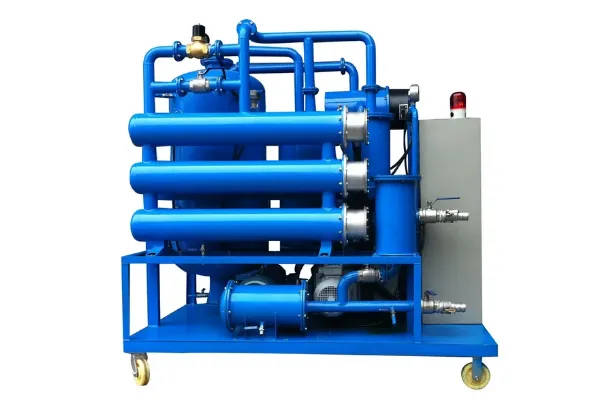
Oil purification equipment for removing moisture, particles and dissolved gases from transformer oil.
View Product TRANSFORMER OIL
Transformer oil treatment machinery designed for purification, dehydration and degassing applications.
View Product FILTRATION
Filtration equipment designed to remove suspended contamination and improve transformer oil cleanliness.
View Product OIL TREATMENT
Integrated oil treatment equipment for purification, dehydration, filtration and maintenance operations.
View Product LUBE OIL
Purification equipment for reducing water and contamination in industrial lubricating oils.
View Product TURBINE OIL
Oil purification system for moisture removal, contamination control and turbine oil maintenance.
View Product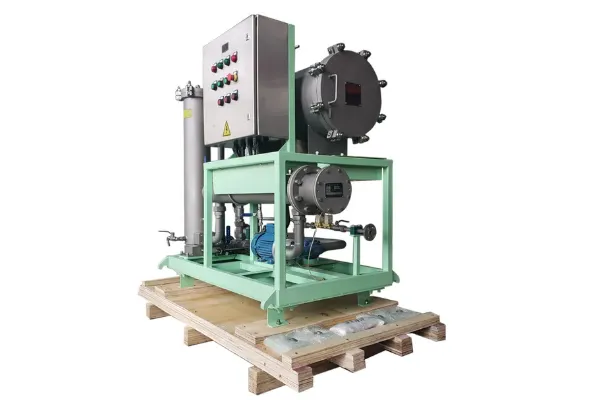 EVACUATION
Vacuum evacuation equipment for transformer installation, maintenance and oil filling preparation.
View ProductFrom transformer oil purification and filtration to vacuum treatment and electrical testing, practical equipment configurations support different maintenance and operating requirements.
Different oils and electrical maintenance applications require different treatment methods. Equipment can be selected around filtration, dehydration, degassing, vacuum processing and testing requirements.
Purification solutions support transformer, lubricating and turbine oil maintenance requirements.
Filtration stages help control particulate contamination and improve oil cleanliness during treatment.
Vacuum processing can support dehydration and degassing for demanding transformer oil applications.
Equipment configurations can be selected according to oil type, treatment capacity and operating needs.
Test instruments support insulating oil evaluation and electrical power condition analysis.
Oil condition, processing capacity and application requirements can be used to identify suitable equipment.
Consistent equipment quality depends on controlled components, accurate assembly, system verification and performance testing throughout the production process.
Oil purification equipment requires coordinated control of vacuum systems, filtration components, electrical assemblies and fluid handling structures to support stable treatment performance.
Key structural and system materials are checked before assembly to support consistent equipment quality.
Vacuum components and connections are reviewed to support dehydration and degassing performance.
Filter housings, elements and flow components are checked for correct installation and consistency.
Control panels, wiring and electrical components are reviewed for correct assembly and operating readiness.
Operating checks help verify flow, vacuum response, filtration behavior and overall system performance.
Completed equipment is reviewed for assembly, appearance and operational condition before delivery.
Share your oil treatment or electrical testing requirements, confirm the operating parameters, then select the suitable equipment configuration before production and delivery.
Provide the application, oil type, equipment use and expected treatment or testing requirements.
Confirm treatment capacity, oil condition, vacuum requirements, filtration level or electrical test parameters.
Match the application with a suitable oil purifier, filtration machine, evacuation system or test instrument.
Review equipment configuration, technical details, quantity and commercial requirements before order.
Complete assembly, operating checks, final verification and preparation for delivery.
Learn more about oil purification equipment, transformer oil treatment, electrical testing and equipment selection requirements.
Selection depends on the oil type, contamination condition, required treatment capacity, moisture and gas removal needs, filtration requirements and operating conditions.
Depending on the system configuration, transformer oil purification equipment can help remove free and dissolved moisture, suspended particles and dissolved gases from insulating oil.
Oil filtration primarily focuses on removing solid contamination, while oil purification can combine filtration with dehydration, degassing and other treatment processes.
Some configurations can support different oil treatment applications, but equipment selection should be based on oil properties, contamination conditions and required treatment results.
Useful information includes oil type, treatment capacity, current oil condition, target cleanliness or moisture level, operating voltage and any special configuration requirements.
A transformer evacuation system is used to create and maintain vacuum conditions during transformer installation, maintenance and oil filling preparation.
Available testing categories can include transformer oil breakdown voltage testers, power quality analyzers and other instruments for electrical condition and maintenance checks.
Equipment configuration can be adjusted according to treatment capacity, oil type, vacuum requirements, filtration needs, electrical specifications and application conditions.
Share your oil type, treatment capacity, operating conditions or electrical testing requirements to identify a suitable equipment configuration for your application.